
Attendees
Filtering attendees by:
CLEAR ALL

Cassandra Barrett
Michael J. Fox Foundation Team ASAP ASAP Staff
Bishal Basak
University of Pennsylvania Team Hurley Discovery Fellow
Amanda Bentley-DeSousa
Yale University Team De Camilli Discovery Fellow
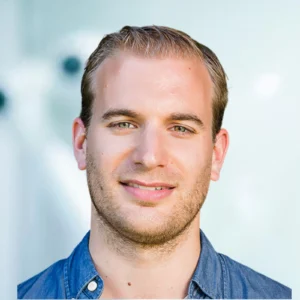
Cornelis Blauwendraat
ASAP Team GP2 ASAP Staff
Jonathan Brenton
University College London Team Hardy Discovery Fellow
J Kate Brynildsen
University of Pennsylvania Team Biederer Discovery Fellow
Bradford Casey
Michael J. Fox Foundation Team ASAP ASAP Staff
Hong-Yuan Chu
Georgetown University Team Wichmann Investigator
Lori Conlan
National Institutes of Health Invited Guest
Mark Cookson
National Institutes of Health Team Jensen Investigator
Elizabeth Deerhake
Yale University Team Hafler Discovery Fellow
Sonya Dumanis
Coalition for Aligning Science Team ASAP ASAP Staff
Sayan Dutta
California Institute of Technology Team Gradinaru Discovery Fellow
James Evans
The Francis Crick Institute Team Wood Discovery Fellow
Amandine Even
Institut Imagine Team Desjardins Discovery Fellow
Raquel Garza Gomez
Lund University Team Jakobsson Discovery Fellow
Caroline Haikal
Weill Cornell Medicine Team Kaplitt Discovery Fellow
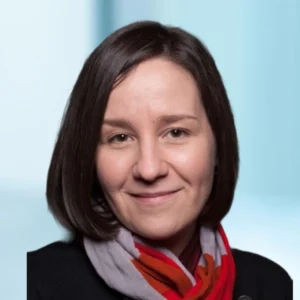
Molly Gale Hammell
NYU Grossman School of Medicine Team Jakobsson Investigator
Ashley Harms
University of Alabama at Birmingham Team Kordower Investigator
Eric Herrmann
University of California, Berkeley Team Hurley Discovery Fellow
Joo Yun Jun
University of Maryland Invited Guest
Janko Kajtez
University of Copenhagen Team Jakobsson Discovery Fellow
Patrick Kearney
University of California, San Diego Team Gradinaru Discovery Fellow
Kendall Van Keuren-Jensen
TGen Team Jensen Investigator
Zayd Khaliq
National Institutes of Health Team Edwards, Nelson Investigator
Gaelle Kolb
University of Maryland Invited Guest
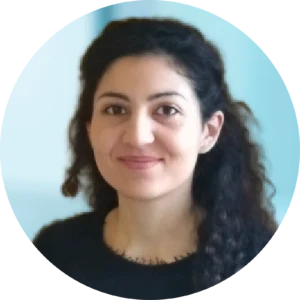
Christiana Kontaxi
University of California, San Francisco Team Edwards Discovery Fellow
Mukesh Kumar
Weill Cornell Medicine Team De Camilli Discovery Fellow
Hilal Lashuel
Qatar Foundation Team Lashuel Investigator
Rosalie Lawrence
University of California, Los Angeles Team Muqit Investigator
Patrick Lewis
University College London, Royal Veterinary College Team Hardy Investigator
Weiqiang Liu
Yale University Team Scherzer Discovery Fellow
Roberta Marongiu
Weill Cornell Medicine Team Kaplitt Investigator
Match McGregor
University of Colorado Denver Team Edwards Discovery Fellow
Kaileigh Murphy
Michael J. Fox Foundation Team ASAP ASAP Staff
Prosenjit Pal
University of Dundee Team Alessi Discovery Fellow
Kimberly Paul
University of California, Los Angeles Team Bronstein Investigator
Hélène Plun-Favreau
University College London Team Hardy Investigator
Indrani Poddar
University of Minnesota Medical Center Team Lee Discovery Fellow
Abigail Polter
George Washington University Team Root Investigator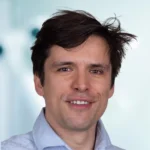
Matthias Prigge
Humboldt University of Berlin Team Vila Investigator
Vivek Puri
Invited Guest
Ekemini Riley
Team ASAP ASAP Staff
Lindsey Riley
Michael J. Fox Foundation Team ASAP ASAP Staff
Maxime Rousseaux
University of Ottawa Team Schlossmacher Investigator
Randy Schekman
University of California, Berkeley & Howard Hughes Medical Institute Invited Guest
Hetal Shah
Team ASAP ASAP Staff
Andrew Singleton
Global Parkinson's Genetics Program Team GP2 Lead PI (Core Leadership)
Jo Anne Stratton
McGill University, Montreal Neurological Team Desjardins Investigator
Malú Tansey
Indiana University School of Medicine Team Liddle Investigator
Kathryn Todd
University of Oxford Team Cragg Discovery Fellow
Allie Vaiana
Michael J. Fox Foundation Team ASAP ASAP Staff
Naman Vatsa
Van Andel Institute Team Biederer Discovery Fellow
Andrew West
Duke University Team West Investigator
Sara Whittingham
Northeast Ohio Medical University Invited GuestSort By:
Role
Theme
Organization

Odetta Antico
University of Dundee
Home: Team Alessi
Host: Team Harper
Discovery Fellow
Cellular Quality Control
Organelle Dysfunction
Odetta is a neurobiologist in the MRC Protein Phosphorylation and Ubiquitylation Unit (PPU), University of Dundee. She obtained her master degree at University of Turin where she studied the role of metabolism and the effect of insulin-sensitizing drugs in a transgenic mouse model of Alzheimer’s disease (APP/PS1). Then, she pursued her interest in understanding the role of insulin resistance in Alzheimer-related dementias, and moved to the Italian Institute of Technology (IIT) to work on a project aimed at investigating the action of metformin in a relevant transgenic mouse of tauopathy (P301S-tau). Furthermore, she led a research project aimed at developing gene therapy strategies to degrade toxic aggregates of α-synuclein at San Raffaele Scientific Institute in Milan. This involved microglia reconstitution through transplantation of hematopoietic stem cells (HSC) into (A53T) α-synuclein overexpressing mice, as a potential therapeutic approach for Parkinson’s disease.
Project Summary
Emerging evidence links tau-driven mitochondrial dysfunction to Parkinson’s disease. I hypothesize a PINK1–Tau feed-forward loop in which PINK1 deficiency drives pathogenic tau changes, while tau impairs PINK1-dependent mitochondrial homeostasis. Building on preliminary evidence connecting PINK1 loss to human Tau phosphorylation at pSer214 and leveraging relevant mouse models-including a novel phosphomimetic PINK1-TESE knock-in mouse, I aim to define the tau PTM code and interactome under PINK1 deficiency; quantify in-vivo mitophagy thresholds and regional flux; and map pS65-Ub and pSer214-Tau dynamics as early biomarkers. Integrated proteomics, biochemistry, and imaging will reveal mechanistic nodes and test PINK1 enhancement as a disease-modifying strategy.

Cassandra Barrett
Michael J. Fox Foundation
Team ASAP
ASAP Staff
Cassandra Barrett serves as senior research events manager at The Michael J. Fox Foundation for Parkinson’s Research. She leads the strategy, planning and execution of the foundation’s high-impact scientific convenings, bringing together global researchers, industry leaders and clinical trial participants to accelerate Parkinson’s breakthroughs.
Prior to her work at the foundation, she built a career in non-profit strategy and event management, focusing on large-scale educational programs, stakeholder engagement and logistics for complex health and research initiatives. Her work ensures that scientific leaders have the collaborative platforms needed to translate research into transformative therapies for patients.

Bishal Basak
University of Pennsylvania
Home: Team Hurley
Host: Team Alessi
Discovery Fellow
Cellular Quality Control
Organelle Dysfunction
Bishal has been trying to understand how trafficking of lipids across inter-organellar junctions is essential to maintain the structural and functional integrity of neurons. His work on lipid transfer at membrane contact sites has been awarded with the Alan Hall Award by the Journal of Cell Biology in the ASCB-EMBO 2020 meeting.
Project Summary
Hyperactive mutations in LRRK2, the most common genetic cause of Parkinson’s disease (PD), impair lysosomal acidification and autophagic turnover, leading to neuronal vulnerability. Rubicon, a neuron- enriched protein, has recently been identified as a key negative regulator of lysosomal and autophagic function, particularly in neurons. This project will define the mechanistic role of Rubicon in lysosomal remodeling and autophagy, and determine whether its inhibition can restore degradative defects caused by LRRK2 hyperactivity. Broadly, this study will establish Rubicon as a critical node in neuronal quality control and highlight its potential as a target for restoring degradative capacity and resilience in PD.

Amanda Bentley-DeSousa
Yale University
Home: Team De Camilli
Host: Team Harper
Discovery Fellow
Cellular Quality Control
Organelle Dysfunction
Project Summary
Lysosome damage is a critical hallmark of Parkinson’s disease, with many Parkinson’s disease-relevant proteins playing a role. Environmental, genetic, and cellular stressors cause the lysosomal activation of LRRK2, with hyperactivation enhancing Parkinson’s disease risk. Previous work identified a key signaling pathway involving the conjugation of ATG8 to single membranes and gamma-aminobutyric acid receptor-associated protein as a critical means of activating LRRK2, linking diverse stress inputs to disease pathways. Preliminary data show that this increased LRRK2 activity enhances lysosomal damage and TANK-binding kinase 1 (TBK1)–Rab7 signaling. This project integrates expertise in cell biology and proteomics to define novel LRRK2 substrates and uncover the link between LRRK2 and TBK1–Rab7 signaling, in an effort to elaborate on therapeutic strategies in Parkinson’s disease.
Cornelis Blauwendraat
ASAP
Team GP2
ASAP Staff
Dr. Cornelis Blauwendraat is the Chief Data Strategy Officer of the Coalition for Aligning Science (CAS), where he provides strategic guidance on the organization’s data strategy and ensures that data assets are used effectively to achieve CAS’s goals across the initiatives under the Coalition’s management. He also serves as one of the leads for the Global Parkinson’s Genetics Program (GP2) which is a resource initiative of Aligning Science Across Parkinson’s (ASAP), aiming to dramatically expand our understanding of the genetic basis of PD and to make that knowledge globally relevant. Previously, Dr. Blauwendraat was a Stadtman Investigator at National Institutes of Health, National Institute on Aging on the Bethesda campus. While there, his lab worked on dissecting the genetic basis of neurodegenerative disorders including Alzheimer’s disease and Parkinson’s disease using large omics datasets with the goal of understanding disease mechanisms and identifying potential future therapeutic targets. Dr. Blauwendraat received his MSc in Biomedical Sciences from VU University, Netherlands and his PhD in Neuroscience from University of Tübingen, Germany. Both his MSc and PhD were focused on dissecting the complex genetic architecture across neurodegenerative diseases.

Jonathan Brenton
University College London
Home: Team Hardy
Host: Team Alessi
Discovery Fellow
Neuronal Resilience
Transcriptional Regulatory Programs
Jonathan is a Research Associate in the Department of Genetics and Genomic Medicine at University College London, working under Mina Ryten and John Hardy. He studied the genetic and synaptic correlates in a dietary model of ageing at University College London for his doctoral project.
Project Summary
We have recently identified widespread splicing dysregulation in LRRK2 p.G2019S brain tissues and models. Building upon these novel findings, we will generate an integrated map of splicing and proteomic changes in brain tissue from three disease-causing LRRK2 mutations to comprehensively dissect LRRK2 PD mis-splicing. The most dysregulated targets identified will be screened in publicly available datasets for their biomarker potential. Candidate transcripts will also be inserted into neuronal cell lines to understand their impact upon cellular function and which may be most important to treat. This highly novel project can provide new diagnostic and therapeutic strategies for Parkinson’s disease.

J Kate Brynildsen
University of Pennsylvania
Home: Team Biederer
Host: Team Gradinaru
Discovery Fellow
Neuronal Resilience
Transcriptional Regulatory Programs
Dr. Kate Brynildsen is a postdoctoral fellow in the Complex Systems Lab at the University of Pennsylvania. She earned her Ph.D. in neuroscience at Penn in the lab of Dr. Julie Blendy, where she studied genetic, neural, and behavioral correlates of opioid and nicotine dependence in mouse models, supported by a T32 from NIDA. As a postdoctoral researcher, she has been funded by NIH T32 and F32 fellowships. Her current work applies complex systems and network science approaches to modeling brain dynamics in health and disease. Recently, she has used linear diffusion modeling to predict the spread of pathological proteins along the brain’s structural connectome and to identify molecular drivers of regional vulnerability to pathology in a mouse model of Parkinson’s disease. Her long-term goal is to establish a research program that combines computational modeling with experimental validation to reveal principles of multiscale brain dysfunction and guide novel therapeutic strategies.
Project Summary
This project investigates mechanisms of neuronal resilience in Parkinson’s disease by integrating computational modeling with experimental validation. Using a duplex network control theory framework, neurons will be modeled across two layers: cell type identity and activity-dependent transcription. Simulations will predict how stimulation of defined inputs influences resilience-associated gene expression. Predictions will be validated with optogenetics, single-cell transcriptomics, and AAV-based perturbations in Parkinson’s-relevant circuits. Aim 1 develops a computational framework linking input- specific activity to gene expression. Aim 2 experimentally tests and refines predictions in substantia nigra neurons. This integrative approach seeks to identify resilience-conferring genes and pathways in Parkinson’s disease.

Bradford Casey
Michael J. Fox Foundation
Team ASAP
ASAP Staff
Bradford Casey s a senior associate director of research programs at The Michael J. Fox Foundation. He collaborates with experts and innovators in healthcare, biomedical research, and technology, developing creative approaches to solve complex problems.

Hong-Yuan Chu
Georgetown University
Team Wichmann
Investigator
Hong-Yuan Chu, PhD, received his PhD degree in neuropharmacology from the Shanghai Institute of Materia Medica (China) in 2010. He then relocated to the United States to conduct postdoctoral research with positions at the National Institute of Mental Health (Bethesda, MD) and the Department of Physiology and Udall Center of Excellence in Parkinson’s Disease Research at Northwestern University (Chicago, IL). In 2019, Dr. Chu was recruited to the Department of Neurodegenerative Science at the Van Andel Institute (Grand Rapids, MI), where he is currently an assistant professor. His laboratory uses multiple technologies to understand how progressive dopaminergic neurodegeneration alters the connectivity and function of cortico-basal ganglia-thalamocortical circuits, and how such changes contribute to the motor deficits in Parkinson’s disease. Dr. Chu holds an R01 research award from the National Institutes of Health and the NARSAD Young Investigator Award from the Brain & Behavior Research Foundation (2020).

Lori Conlan
National Institutes of Health
Invited Guest
Dr. Lori Conlan is the Acting Director of the Office of Intramural Training & Education (OITE) at the National Institutes of Health (NIH). In this leadership role, she oversees strategic policies and developmental initiatives supporting approximately 6,000 intramural trainees, ranging from summer interns, postbaccalaureates, and graduate students to postdoctoral researchers and fellows. Dr. Conlan is deeply dedicated to enhancing career readiness, professional development, and wellness across the biomedical research workforce, focusing on critical skills such as leadership, communication, ethics, and mental resilience.
She began her career as a research biochemist, earning a BS in Biochemistry from Michigan State University and a Ph.D. in Biochemistry and Biophysics from Texas A&M University. Following her doctoral studies, she completed a postdoctoral fellowship at the Wadsworth Center with the New York State Department of Health before transitioning into biomedical workforce development and higher education administration.

Mark Cookson
National Institutes of Health
Team Jensen
Investigator
Mark is a cell biologist whose current research interests include the effects of mutations in the genes associated with neurodegeneration at the cellular and molecular level. He received both his B.Sc. and Ph.D. degrees from the University of Salford, UK in 1991 and 1995, respectively. His postdoctoral studies included time spent at the Medical Research Council laboratories and at the University of Newcastle, Newcastle, UK. He joined the Mayo Clinic, Jacksonville, Florida, as an Assistant Professor in 2000 and moved to the NIA in February 2002. He currently heads theLaboratory of Neurogenetics and is acting Director of the Center for Alzheimers and Related Dementias.

Elizabeth Deerhake
Yale University
Home: Team Hafler
Host: Team Scherzer
Discovery Fellow
Neuroinflammation
Genomic Regulation
Systemic Drivers
M. Elizabeth Deerhake is an early-career neurologist and immunology researcher at Yale University working with David Hafler and Clemens Scherzer. She received her MD and PhD in Immunology from Duke University in 2022. She is currently completing her Neurology residency at Yale and will transition to Movement Disorders subspecialty training in 2026. She investigates how inflammatory pathways contribute to neurodegeneration in Parkinson’s disease, linking clinical data with genomics and advanced immune profiling. She has received numerous recognitions for her research including the NIH Ruth. L Kirschstein National Research Service Award and the Burroughs Wellcome Fund Gertrude B. Elion Mentored Research Award. Dr. Deerhake aims to leverage her dual expertise in Neurology and Immunology to uncover immune mechanisms driving Parkinson’s disease onset and progression, with the goal of developing novel disease-modifying therapies.
Project Summary
This proposal aims to uncover the role of neuroinflammation in Parkinson’s disease (PD) by identifying non-coding genetic variants regulating gene expression in innate immune cells. First, I will use a massively parallel report assay (MPRA) to screen thousands of PD-associated variants for regulatory activity in macrophages. Next, leveraging the Scherzer lab’s Parkinson5D Atlas, I will identify variants with in vivo allele-specific regulatory effects in brain macrophages, microglia, and monocytes. Integrating my experimental and computational findings, I will map expression of target genes across brain regions and disease stages. This work will advance PD research by prioritizing genetically supported neuroimmune pathways.

Sonya Dumanis
Coalition for Aligning Science
Team ASAP
ASAP Staff
Dr. Sonya Dumanis is the COO of the Coalition for Aligning Science, where she provides strategic guidance on both the design and implementation phases of portfolio programs and mentors scientific staff across the initiatives under the Coalition’s management. She also serves as the Managing Director for Aligning Science Across Parkinson’s (ASAP) and Aligning Discoveries Across Psychedelic Therapies (ADAPT), as well as the Deputy Director of Aligning Research to Impact Autism (ARIA).
Previously, Dr. Dumanis was the Vice President of Research and Innovation at the Epilepsy Foundation. While there, she oversaw the growth of the Epilepsy Therapy Project, an entrepreneurship incubator providing seed funding and mentorship to epilepsy startups, and the Epilepsy Innovation Institute, an innovation incubator tackling high-risk projects in the epilepsy space. She continues to co-direct the Epilepsy Startup Accelerator Course and serves as an advisor for the Diagnostics & Tracking Research Roundtable for Epilepsy.
Dr. Dumanis completed her postdoctoral training at both the Johns Hopkins University and the Max-Delbrück Center in Berlin, Germany. She earned her PhD in neuroscience from Georgetown University. She has authored numerous scientific articles and received a number of honors, including an Alexander von Humboldt Postdoctoral Research Fellowship, a National Science Foundation fellowship, a national research service award from the National Institutes of Health, the Harold N Glassman Award for best science dissertation at Georgetown University, and the Mark A. Smith prize from the Journal of Neurochemistry.

Sayan Dutta
California Institute of Technology
Home: Team Gradinaru
Host: Team Dombeck
Discovery Fellow
Dopaminergic Circuit Function
Metabolism
Selective Vulnerability
Sayan Dutta is a postdoctoral fellow at the California Institute of Technology in the Gradinaru Lab, where he studies neurodegeneration using spatial and single-cell proteomics and gene therapy. He earned his Ph.D. from Purdue University in interdisciplinary neuroscience and chemical biology, where his doctoral research focused on membrane-induced protein aggregation and phosphoproteomic alterations in in vivo preformed fibril (PFF) models of Parkinson’s disease. He holds degrees in chemistry from IIT Madras (Master’s) and Presidency College, Kolkata (Bachelor’s). His research interests center on Parkinson’s disease, protein aggregation, and therapeutic intervention strategies.
Project Summary
Loss of midbrain dopaminergic neurons (mDANs) underlies motor dysfunction in Parkinson’s disease (PD). In patients, ventral SNpc neurons are particularly vulnerable, whereas dorsal neurons are resistant. Basal transcriptomic differences cannot fully explain this selective cell-type vulnerability. I hypothesize that for mDANs to exhibit PD-like vulnerability trend, an additional disease-causing factor is needed, such as alpha-synuclein (aSyn) aggregation. Aim-1 will test whether aSyn pathology preferentially induces degeneration of Anxa1⁺ ventral mDANs using AAV-mediated aSyn overexpression. Aim-2 will utilize spatial single-cell proteomics in mouse and PD patient tissue to define subtype-specific molecular pathways and protein targets mediating vulnerability or resilience.

James Evans
The Francis Crick Institute
Home: Team Wood
Host: Team Studer
Discovery Fellow
Neuroinflammation
Genomic Regulation
Systemic Drivers
James is a postdoctoral research fellow at the Francis Crick Institute and UCL Queen Square Institute of Neurology. James’ work focuses on using induced pluripotent stem cell models, advanced imaging techniques, and transcriptomics, to understand how glia influence the onset and progression of Parkinson’s disease.
Project Summary
Parkinson’s disease (PD) is defined by dopaminergic neuronal loss and alpha-synuclein aggregates in Lewy bodies (LB). However, evidence from genetics and single-cell transcriptomics indicates a substantial oligodendroglial component. Our data suggest alpha-synuclein oligomers drive a pro- inflammatory oligodendrocyte state. Yet, mechanisms by which oligodendrocyte-specific inflammation propagates to immune cells and impacts neuronal health remain unknown. We will employ iPSC-derived oligodendrocyte and co-culture paradigms, alongside patient T cells, to investigate how alpha- synuclein–induced oligodendrocytes influence glia, neurons, and T cells. Investigating oligodendrocyte- mediated crosstalk and disease-specific T cell responses enables the definition of blood-based immune signatures relevant for patient stratification in PD.

Amandine Even
Institut Imagine
Home: Team Desjardins
Host: Team Schapira
Discovery Fellow
Neuroinflammation
Genomic Regulation
Systemic Drivers
Amandine is a Postdoctoral fellow in the Department of Pharmacology and Physiology in University of Montréal. She obtained her thesis in immunology and more particularly in cell therapy as an innovative treatment in transplantation and in inflammatory pathologies, in Nantes (FRANCE). Now she set out to discover the role of immunity in Parkinson’s disease in the Louis-Eric TRUDEAU’s Lab.
Project Summary
Inflammation is a hallmark of Parkinson’s disease (PD) and may exacerbate intrinsic neuronal vulnerability. We will test whether systemic inflammation modulate dopaminergic and noradrenergic neuronal activity using in vivo fiber photometry and patient-derived iPSC cocultures. Furthermore, innovative quadripartite iPSC cocultures (neurons, astrocytes, microglia and T cells), will allow us to examine how these cell types interact to drive selective neuronal vulnerability. Finally, a brain-chip model will examine how patient-derived glia influence T cell infiltration. This integrated approach, distinguishing early functional alterations from degeneration, will clarify mechanisms linking inflammation to neuronal loss and reveal potential novel therapeutic targets in PD.

Raquel Garza Gomez
Lund University
Home: Team Jakobsson
Host: Team Voet
Discovery Fellow
Neuronal Resilience
Transcriptional Regulatory Programs
Raquel Garza is a postdoctoral researcher in the Laboratory of Molecular Neurogenetics at Lund University, where her work focuses on understanding how transposable elements influence human brain development, function, and disease. She holds a PhD in Neuroscience (2024) from Lund University, where she developed bioinformatic pipelines to analyze the role of transposable elements in neurodevelopment and neurodegenerative contexts including Parkinson’s Disease. Raquel earned a MSc in Bioinformatics and a bachelor’s degree in cybernetics and electronics engineering. Her research focuses on computational approaches to analyse different omic techniques, aiming to uncover how repetitive genomic elements contribute to transcriptomic complexity in the human brain and, specifically, in Parkinson’s Disease.
Project Summary
Aging is the primary risk factor for Parkinson’s disease (PD), featuring epigenetic alterations that correlate with chronological age. Notably, PD patients exhibit accelerated epigenetic aging. My work with Team Jakobsson has identified Transposable Elements (TEs) as dynamic brain regulatory sequences responsive to epigenetic changes and linked to PD. This project will profile aging- and PD-associated epigenetic changes in TEs at single-cell and spatial resolution. By integrating existing long-read DNA, short-read single-cell multi-omic data, novel long-read single-cell epigenome-plus-transcriptome sequencing, and TE-centric bioinformatics, this project has the potential to redefine aging and PD paradigms while developing multi-omics tools and analytical frameworks.

Caroline Haikal
Weill Cornell Medicine
Home: Team Kaplitt
Host: Team Jakobsson
Discovery Fellow
Alpha-Synuclein Pathology
Aggregation Kinetics
Disease Propagation
Caroline is a postdoctoral research fellow in Dr. Michael Kaplitt’s lab at Weill Cornell Medicine. She has been utilizing AAVs to investigate factors influencing susceptibility to alpha-synuclein pathology in vivo and manipulate neuronal circuits involved in selective vulnerability. Caroline completed her PhD in Dr. Jia-Yi Li’s lab at Lund University where she studied the expression of alpha-synuclein in peripheral organs of PD patients and transgenic mouse models, as well as the cross-seeding effects between alpha-synuclein and proteins of bacterial origins. She has a multidisciplinary background with years of experience in small rodent surgery, gene therapy, complex cell and tissue culture, protein interaction assays, and advanced imaging techniques.
Project Summary
Recent work with alpha synuclein preformed fibrils in mouse models has called into question whether alpha synuclein propagates transsynaptically or progressively accumulates due to non-neuronal factors. In this project, I will use grafted neurons to examine alpha synuclein transsynaptic propagation. I will transplant neurons into the striatum or hypoglossal nucleus of striatum-PFF-injected or transgenic mice to elucidate whether direct neuronal connectivity is needed for asyn host-to-graft transmission. I will also graft asyn-overexpressing neurons into wildtype mouse brains to elucidate whether non-neuronal cells are needed for asyn transmission.
Molly Gale Hammell
NYU Grossman School of Medicine
Team Jakobsson
Investigator
Dr. Molly Gale Hammell is an Associate Professor in the Simons Center for Quantitative Biology at Cold Spring Harbor Laboratory. Prior to starting her own lab at CSHL, she studied small RNA pathways as a postdoctoral fellow in the lab of Victor Ambros at UMASS Medical School. She received a Ben Barres Early Career Acceleration award from CZI’s Neurodegeneration Challenge Network.

Ashley Harms
University of Alabama at Birmingham
Team Kordower
Investigator
Ashley S. Harms, PhD, is an assistant professor at the University of Alabama at Birmingham (UAB) in the Department of Neurology and the Center for Neurodegeneration and Experimental Therapeutics. As a dedicated neuroimmunologist, Dr. Harms studies the cellular and immunological mechanisms underlying the initiation and progression of alpha-synucleinopathy disorders, with emphasis on antigen presentation. Utilizing novel genetic and viral model approaches to study the role of immune cell subsets, her lab focuses on how the protein alpha-synuclein contributes to microglial activation, peripheral immune cell infiltration, and subsequent activation of the immune response in Parkinson’s disease and multiple system atrophy.

Eric Herrmann
University of California, Berkeley
Home: Team Hurley
Host: Team Alessi
Discovery Fellow
Alpha-Synuclein Pathology
Aggregation Kinetics
Disease Propagation
Eric is a postdoctoral fellow in the Department of Molecular and Cellular Biology at the University of California, Berkeley. He studied the regulation of small GTPases on membranes as a graduate student with Daniel Kümmel at the University of Münster in Germany.
Project Summary
Aggregation of alpha-synuclein is a hallmark of familial and sporadic PD. PD genetics strongly implicates lysosomal dysfunction in PD progression. Here, I will integrate cryo-ET and lipidomics to explore how alpha- synuclein aggregation and lysosome dysfunction engage in a negative feedback loop to exacerbate disease. I will use cryo-ET to visualize alpha-synuclein-induced lysosome damage and repair in neurons at molecular resolution and I will use lipidomics to measure changes in lysosomal lipids that are invisible to cryo-ET. The project will culminate by assessing whether strategies to boost lysosome biogenesis and resilience can rescue the PD-associated defects.

Joo Yun Jun
University of Maryland
Invited Guest
Joo Yun Jun, PhD, is a grants development specialist and neuroscientist within the Neuroscience and Cognitive Science (NACS) program at the University of Maryland.
Joo earned her doctorate in the College of Medicine at the University of Florida, specializing in advanced cellular and molecular biomedical research. Leveraging her extensive scientific training, she transitioned into research administration and development, where she now helps secure extramural funding, manage large-scale grant proposals, and support interdisciplinary neuroscience initiatives across the university.

Janko Kajtez
University of Copenhagen
Home: Team Jakobsson
Host: Team Kirkeby
Discovery Fellow
Dopaminergic Circuit Function
Metabolism
Selective Vulnerability
Janko is a postdoctoral fellow Novo Nordisk Foundation Center for Stem Cell Medicine (reNEW), University of Copenhagen. During his PhD at the Technical University of Denmark (DTU) he worked on 3D printing and microfluidic solutions for neural tissue engineering and neurodegenerative disease modeling. Before moving to Copenhagen, he worked in the group of Malin Parmar (Lund University) on direct neuronal reprogramming of patient fibroblasts for transplantation studies.
Project Summary
The selective vulnerability of A9 dopaminergic neurons in Parkinson’s disease (PD) may arise from their extraordinary bioenergetic demands, driven by large axonal arbors and pacemaking activity. To test this hypothesis in a human context, this project integrates stem cell technology and bioengineering to control axonal length and activity, model PD penetrance factors, and assess axonal transport deficits. By combining structural, functional, and molecular analyses, we aim to define how arbor size and metabolic load intersect with these stressors to trigger A9 degeneration. These insights will provide a foundation for innovative strategies to model and treat PD.

Patrick Kearney
University of California, San Diego
Home: Team Gradinaru
Host: Team Schlossmacher
Discovery Fellow
Alpha-Synuclein Pathology
Aggregation Kinetics
Disease Propagation
Patrick is a Postdoctoral Scholar in the lab of Subhojit Roy at the University of California, San Diego. His graduate research at the University of Massachusetts Medical school focused on the dynamics of dopamine transporter (DAT) trafficking and how it influences dopamine signaling. He also studied how Parkinson’s risk factors influence DAT trafficking and motor behaviors. His postdoctoral research focuses on developing CRISPR-based Parkinson’s disease therapeutics and testing them in in vivo models.
Project Summary
Phosphorylation of alpha-synuclein at Ser129 (alpha-syn pSer129) is a pathologic hallmark of Parkinson’s disease (PD), but we and others have found high-levels of physiologic pSer129 within the olfactory system. Early olfactory dysfunction is an established feature of PD, suggesting pSer129-induced vulnerability in this circuitry. Surprisingly, I found that a single (reversible) nasal injury triggered a sustained increase in pSer129 throughout the brain, persisting even after expected resolution of the local insult. Here we propose to explore mechanisms underlying pSer129 spread from olfactory-bulb to brain after nasal injury, and evaluate PD-relevant consequences that may offer insights into initiation/spread of PD.

Kendall Van Keuren-Jensen
TGen
Team Jensen
Investigator
Kendall Van Keuren-Jensen is Vice President for Research at TGen and a Professor in the Bioinnovation and Genome Sciences Division. Her research applies extracellular vesicle and extracellular RNA biology to understand how genetic perturbations alter cellular cargo release in neurodegenerative diseases. Her laboratory specializes in isolating and profiling EV-contents to assess how disease-linked genetic variants reshape secreted molecular cargo and influence signaling in recipient cells. In parallel, she leverages single-cell, single-nucleus, and spatial transcriptomics to contextualize RNA changes within vulnerable brain cell populations.

Zayd Khaliq
National Institutes of Health
Team Edwards, Nelson
Investigator
Zayd Khaliq, PhD, is a neuroscientist who studies cellular excitability and synaptic control of neurons in the midbrain dopamine system. His research focuses on dopaminergic neurons and uses a combination of electrophysiology, imaging, and optogenetics to examine how synaptic information is integrated and transmitted to trigger behaviorally -relevant patterns of dopamine release. His studies have contributed to our understanding of how dopamine receptors influence excitability through modulation of intrinsically -expressed ion channel proteins. Dr. Khaliq has contributed to our understanding of diversity among dopamine neuron subpopulations defined by their participation in identified circuits and the expression of biochemical markers. He is also known for his work examining how excitatory, inhibitory, and modulatory receptors contribute to processing within subcellular compartments such as spines, dendrites, and axons, which is critical for dopamine signaling in motor learning circuits.

Gaelle Kolb
University of Maryland
Invited Guest
Dr. Gaëlle. Kolb is a proposal manager and research development professional in the Office of the Vice President for Research at the University of Maryland (UMD). In this role, she manages multidisciplinary teams of scientists to prepare and submit complex, competitive, multi-million dollar grant proposals to major funding agencies.
Gaëlle a PhD in biomedical sciences and virology from the University of South Florida College of Medicine and investigated host proteins, virology, and emerging viral pathogens such as Ebola virus during postdoctoral work at the National Institutes of Health (NIH) and other research institutions.
Gaëlle transitioned from bench science into research development. She applies her scientific training to guide faculty, foster interdisciplinary collaborations, and advance strategic research initiatives across higher education and scientific organizations.
Christiana Kontaxi
University of California, San Francisco
Home: Team Edwards
Host: Team Dombeck
Discovery Fellow
Dopaminergic Circuit Function
Metabolism
Selective Vulnerability
Christiana Kontaxi, PhD, is a postdoctoral researcher at the University of California, San Francisco School of Medicine, where she works with Prof R. Edwards to advance her research on membrane trafficking and synaptic physiology. Using mouse models of Parkinson’s disease (PD), she has been exploring the role of critical pathogenic factors, such as LRRK2 and α-synuclein, in synaptic transmission. Previously, Christiana received her PhD from the University of Edinburgh, UK, where her work focused on synaptic vesicle trafficking in a rat model of epilepsy.
Project Summary
Mutations in the leucine-rich repeat kinase 2 (LRRK2) are a common cause of Parkinson’s disease (PD), but the mechanism remains unknown. Although most research on pathogenesis focuses on dopamine neurons that degenerate in PD, LRRK2 is highly expressed in spiny projection neurons in the striatum, suggesting an effect of the mutations on basal ganglia circuitry. We have now identified a specific effect of the G2019S LRRK2 PD mutation on GABA release by striatal neurons. In this project, we will investigate the role of this defect in basal ganglia circuitry and the mechanism by which G2019S LRRK2 impairs release.

Mukesh Kumar
Weill Cornell Medicine
Home: Team De Camilli
Host: Team Edwards
Discovery Fellow
Dopaminergic Circuit Function
Metabolism
Selective Vulnerability
Mukesh Kumar is a postdoctoral associate in the lab of Prof. Timothy A. Ryan at Weill Cornell Medicine, New York (USA). He earned his Ph.D. in biophysics from Tata Institute of Fundamental Research, Mumbai (India), in the lab of Prof. Roop Mallik, where he studied molecular motors and discovered how intracellular transport helps regulate systemic lipid homeostasis across the feeding-fasting cycle of an animal. He later became interested in neuroscience and is currently investigating how lipid metabolism and dynamics sustain energy homeostasis at synaptic terminals, particularly in the context of neurodegenerative disorders. During his Ph.D., he received several honors, including the TNQ Inspiring Science Award and the Sarojini Damodaran Fellowship.
Project Summary
Emerging evidence highlights bioenergetic failure as a central driver of Parkinson’s disease (PD) pathology, accompanied by abnormal triglyceride (TG) accumulation in neuronal lipid droplets (LD) in PD brain. We recently overturned the dogma that brain and neurons do not carry out beta-oxidation, underpinned by the discovery of mutations in a neuron-specific TG lipase. Notably, alpha-Synuclein fibrils, readily associate with LDs suggesting a link between synucleinopathy, TG metabolism and bioenergetics. We propose that the idea that alpha-Synuclein-LD interaction alters TG turnover, thereby compromising beta-oxidation and ATP production to drive synaptic dysfunction. This metabolic bottleneck may contribute to progressive neurodegeneration in Parkinson’s.

Hilal Lashuel
Qatar Foundation
Team Lashuel
Investigator
Hilal is a Professor of Neuroscience at Weill Cornell Medicine–Qatar and an Emeritus Professor at EPFL. His PhD and postdoctoral work focused on biophysical dissection of amyloid formation by transthyretin, amyloid-β, and α-synuclein under the mentorship of Prof. Jeffery Kelly (Scripps Research Institute) and Prof. Peter Lansbury (Harvard Medical School). His honors include the Takreem Foundation Scientific & Technological Achievement Award, the Kuwait Prize in Fundamental Sciences (Biological Sciences), the H. Martin Friedman Distinguished Lectureship at Brooklyn College (CUNY), and the EPFL School of Life Sciences Ambition Award.

Rosalie Lawrence
University of California, Los Angeles
Team Muqit
Investigator
Rosalie Lawrence is an Assistant Professor in the Department of Biological Chemistry at the University of California, Los Angeles. She studied biochemical mechanisms of mTOR signaling at the lysosome with Roberto Zoncu as a graduate student and structural mechanisms of Integrated Stress Response signaling with Peter Walter as a postdoctoral fellow.

Patrick Lewis
University College London, Royal Veterinary College
Team Hardy
Investigator
Patrick Lewis, PhD, is a professor of neuroscience in the Department of Comparative Biomedical Sciences at the Royal Veterinary College, University of London, where he investigates the mechanisms underlying neurodegeneration in humans and animals.
A former Parkinson’s UK research fellow, Patrick began his research group at the University of Reading in 2013 as an associate professor before joining the Royal Veterinary College faculty in 2020. His research explores the molecular cell biology of Parkinson’s disease, with a focus on understanding how mutations in the LRRK2 gene contribute to cellular dysfunction and disease progression.

Weiqiang Liu
Yale University
Home: Team Scherzer
Host: Team Rio
Discovery Fellow
Neuronal Resilience
Transcriptional Regulatory Programs
Weiqiang Liu is a post-doctoral research fellow in Dr. Dong’s lab in the Department of Neurology at Yale School of Medicine, Yale University. Weiqiang received his Ph.D. in Ecology from the Institute of Zoology, Chinese Academy of Sciences (2018-2024). During his Ph.D. training, his main work involved using comparative transcriptomics and evolutionary genomics to explore how animals can have roughly similar sequences yet vastly different lifespans (EMBO Journal, 2023; Nature Communications, 2023).
Project Summary
Enhancers are critical regulators of gene expression, yet their functions remain poorly understood in Parkinson’s disease (PD). Leveraging the PD5D multi-omics dataset, we will prioritize sim1,000 high- confidence PD-relevant enhancers and silence them in iPSC-derived neurons and glia using CRISPRi, followed by single-cell RNA sequencing. These perturbational data will train an AI model to simulate enhancer activity and predict their downstream effects in PD patient cohorts. This integrative approach will map causal enhancer–gene relationships, reconstruct PD-specific regulatory networks, and generate openly available datasets and predictive tools, providing mechanistic insights that may guide therapeutic discovery in neurodegeneration.

Roberta Marongiu
Weill Cornell Medicine
Team Kaplitt
Investigator
Roberta Marongiu, PhD, is Assistant Professor of Neuroscience in Neurological Surgery at Weill Cornell Medicine. She received her PhD in medical genetics and neuroscience from the Sapienza University of Rome and the University of California, San Diego. She then completed her postdoctoral studies in neuroscience with focus on viral-vector- mediated gene therapies for Parkinson’s disease (PD) at Weill Cornell Medical College.
Her research contributions to Parkinson’s disease include the identification of the first PINK1 pathogenic mutations; evidence of a direct link between mitochondria, autophagy, and the pathogenesis of Parkinson’s; and the identification of the p11 gene as first potential target for treating both PD motor symptoms and dyskinesia.
As a young investigator using novel genetic, viral, and animal model approaches, her current research focuses on the identification of the molecular mechanisms underlying the role of sex and menopause on brain disorders, including Parkinson’s disease and Alzheimer’s disease.

Match McGregor
University of Colorado Denver
Home: Team Edwards
Host: Team Surmeier
Discovery Fellow
Dopaminergic Circuit Function
Metabolism
Selective Vulnerability
Match is a postdoctoral fellow in the Ford lab at CU Anschutz. He earned his PhD in the Nelson Lab at UC San Francisco where he studied the connectivity striatal subpopulations.
Project Summary
Limited understanding of dopamine spatial dynamics is a major constraint on treating Parkinson’s disease (PD). While broad regional dynamics have been extensively characterized, how local dynamics are encoded in striatal circuits and how they are altered in PD remain unclear. This proposal aims to determine how alpha-synuclein accumulation and progressive dopamine neuron degeneration impact local dopamine dynamics to drive the motor symptoms of PD. We propose using 2-photon imaging to map local dopamine dynamics in two PD models and determine how changes induce impaired behavior. Together, these studies will establish a new paradigm for exploring dopamine dynamics in Parkinson’s disease.

Kaileigh Murphy
Michael J. Fox Foundation
Team ASAP
ASAP Staff
Kaileigh Murphy is a program officer at The Michael J. Fox Foundation

Prosenjit Pal
University of Dundee
Home: Team Alessi
Host: Team De Camilli
Discovery Fellow
Cellular Quality Control
Organelle Dysfunction
Prosenjit is a Postdoctoral Researcher in Professor Dario Alessi’s lab at the MRC Protein Phosphorylation and Ubiquitylation Unit, University of Dundee. He completed his PhD at the S. N. Pradhan Centre for Neurosciences, University of Calcutta (India), under Professor Jharna Ray, where he identified novel Parkinson’s disease-linked mutations in the PINK1 gene and characterized their functional impact. As a Newton-Bhabha Fellow, he worked with Professor Miratul Muqit to study PINK1 heterozygous mutations, and contributed to association studies examining APOE and BDNF variants as modifier genes in PD. In the Alessi lab, he has revealed the importance of a lysosome membrane protein in LRRK2- and VPS35-related Parkinson’s disease and also identified a shared motif across proteins connecting them to lysosome biology.
Project Summary
Emerging evidence links defects in endolysosomal trafficking and aberrant ciliogenesis to Parkinson’s disease (PD), though their crosstalk is unclear. We hypothesize that hyperactive PD-causing proteins, such as LRRK2 and VPS35, impair this interaction, disrupting ciliary signalling essential for dopaminergic neuron survival. Using mutant mouse models, MEFs, human iPSC-derived neurons, and advanced tools – including proteomics, lipidomics, live-cell lipid biosensors, and super-resolution microscopy – we will dissect how these pathways drive neurodegeneration. This project aims to uncover mechanisms, identify biomarkers, and highlight novel therapeutic targets that could halt PD progression.

Kimberly Paul
University of California, Los Angeles
Team Bronstein
Investigator

Hélène Plun-Favreau
University College London
Team Hardy
Investigator
Hélène Plun-Favreau, PhD, is a professor of cellular neurodegeneration at the UCL Queen Square Institute of Neurology, University College London.
She earned her doctorate in molecular and cellular biology from the Pierre and Marie Curie University in Paris. Following postdoctoral training at the MRC Toxicology Unit in Leicester and the UCL Institute of Neurology, she established her independent research group in 2007.
Her research focuses on the molecular pathways leading to neurodegeneration in Parkinson’s disease and related disorders, with a particular emphasis on mitochondrial dysfunction and mitophagy. Her lab investigates how genetic mutations associated with Parkinson’s, including PINK1, Parkin, and LRRK2, disrupt mitochondrial quality control and neuronal health.
Her work seeks to identify novel molecular targets for therapeutic intervention to slow or prevent disease progression.

Indrani Poddar
University of Minnesota Medical Center
Home: Team Lee
Host: Team Studer
Discovery Fellow
Neuroinflammation
Genomic Regulation
Systemic Drivers
Indrani is a Postdoctoral Research Associate in the Department of Neuroscience, University of Minnesota.
Project Summary
Parkinson’s disease (PD) and other alpha-synucleinopathies are characterized by neuronal aggregation of alpha-synuclein (aS). Significantly, I found that neurons with aS aggregates show activation of DNA sensing cGAS-STING cascade, including the substantia nigra (SN) dopaminergic neurons (DA). Although the cGAS-STING pathway has been implicated in PD, it is thought that the activation occurs in glial cells. Thus, the significance of neuronal cGAS-STING activation has not been explored. The main goal of this proposal is to define how aS pathology leads to DNA damage and the cGAS-STING response in different types of human neurons, leading to inflammation and neurodegeneration.

Abigail Polter
George Washington University
Team Root
Investigator
Abby is an Associate Professor in the Department of Pharmacology and Physiology at George Washington University. She studied the role of intracellular signaling cascades in mood regulation as a graduate student at the University of Alabama at Birmingham, and uncovered novel stress-induced regulation of dopaminergic systems by kappa opioid receptors as a postdoctoral fellow at Brown University.
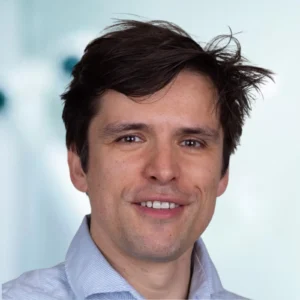
Matthias Prigge
Humboldt University of Berlin
Team Vila
Investigator
Matthias Prigge, PhD, is a trained biophysicist and biochemist who transitioned into system neuroscience during his postdoctoral work at the Weizmann Institute of Science, Israel. He has a well-established track record of engineering new optogenetic tools to dissect catecholaminergic circuits. His work focuses on optically manipulating neuronal circuits with light-gated ion channels to derive a better understanding of how we can use neuronal stimulation to re-configure dysfunctional catecholaminergic circuits. His optogenetic-inspired stimulation paradigms can pave the way to more efficient deep brain stimulation in patients.
Dr. Prigge started his own research group at the Leibniz Institute for Neuroscience in Magdeburg, Germany in 2018. His lab has a particular interest in understanding the neuronal and molecular architecture of the locus coeruleus and substantia nigra in health and disease in mouse models. He investigates how early changes in the neuronal circuit of catecholaminergic neurons can alter psychophysical and behavioral parameters.

Vivek Puri
Invited Guest
Vivek Puri is a homebuilding business owner, Parkinson’s advocate, and rock climber based in the Washington, D.C. area.
Diagnosed with Parkinson’s disease at age 38 the day after the birth of his third child, Vivek initially kept his condition private to protect his young family and business. Seeking an active way to combat his physical symptoms and fine motor skill decline, he discovered rock climbing as an unconventional, empowering form of movement therapy and underwent Deep Brain Stimulation (DBS) surgery.
Today, Vivek uses his journey and DBS ambassadorship to restore confidence, build community, and inspire others living with Parkinson’s disease.

Ekemini Riley
Team ASAP
ASAP Staff
Dr. Ekemini A. U. Riley is the Founder and CEO of the Coalition for Aligning Science (CAS), where she leads the design and execution of large-scale, collaborative biomedical research initiatives spanning neurodevelopment, neurodegeneration, and neuropsychiatry. Since founding CAS in 2020, she has built and overseen an integrated philanthropic portfolio focused on accelerating scientific discovery and translating research insights into therapeutic impact.
She currently serves as Managing Director of Aligning Research to Impact Autism (ARIA), a cross-disciplinary initiative that connects emerging science, technologies, and insights to advance autism research in new and catalytic ways.
Trained as a molecular biologist, Dr. Riley has built her career at the intersection of science, strategy, and philanthropy. She is known for developing innovative approaches to complex scientific challenges and for convening researchers, funders, and institutional leaders to drive aligned action.
Her work includes designing and facilitating multi-sector think tanks, shaping philanthropic investment strategies, launching research programs, and seeding multi-funder collaborations.
Previously, Dr. Riley led the design and launch of Aligning Science Across Parkinson’s (ASAP), CAS’s flagship initiative, serving as its founding Managing Director. She also served on the National Advisory Neurological Disorders and Stroke Council (2020–2024), advising on institute-wide strategy, program planning, and funding priorities at the National Institute of Neurological Disorders and Stroke.
Earlier in her career, Dr. Riley was a Director at the Milken Institute Center for Strategic Philanthropy, where she helped shape and co-lead the center’s medical research practice across oncology, circulatory disease, and neurodegeneration.
She earned a BA in Natural Sciences from Johns Hopkins University and a PhD in Molecular Medicine from the University of Maryland Baltimore.
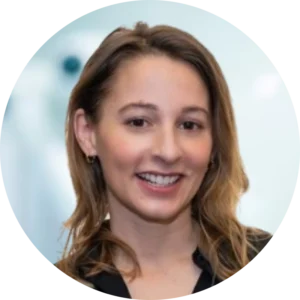
Lindsey Riley
Michael J. Fox Foundation
Team ASAP
ASAP Staff
Lindsey Riley is a vice president of grantmaking operations at The Michael J. Fox Foundation. She oversees the strategy, architecture and operational lifecycle of the foundation’s global research funding programs, which deploy hundreds of millions of dollars toward accelerating a cure for Parkinson’s disease.
She leads cross-functional teams responsible for streamlining application processes, grant distribution, compliance and portfolio management.

Maxime Rousseaux
University of Ottawa
Team Schlossmacher
Investigator
Maxime Rousseaux, PhD, is an Assistant Professor and Canada Research Chair at the University of Ottawa. He obtained his PhD in neuroscience under Dr. David Park’s supervision in Ottawa. There, his research had focused on identifying mechanisms of neurodegeneration in mouse models of Parkinson’s disease (PD). In 2012, Dr. Rousseaux joined Dr. Huda Zoghbi’s laboratory at Baylor College of Medicine to pursue a postdoctoral fellowship. During that time, he focused on identifying novel regulators of alpha-synuclein levels using forward genetic screens to gain novel therapeutic entry points for synucleinopathy disorders. In 2018, he was recruited back to the University of Ottawa to start his own lab with a focus on studying how protein mislocalization may be linked to neurodegenerative diseases such as Parkinson’s. His group has an affinity for generating new mouse models that depict aspects of PD and examining how genetic and environmental factors converge on PD etiology.

Randy Schekman
University of California, Berkeley & Howard Hughes Medical Institute
Invited Guest
Dr. Randy Schekman is a University Professor in the Department of Molecular and Cell Biology, University of California at Berkeley, and an Investigator of the Howard Hughes Medical Institute. He studied the enzymology of DNA replication as a graduate student with Arthur Kornberg at Stanford University. His current interest in cellular membranes developed during a postdoctoral period with S. J. Singer at the University of California at San Diego. At Berkeley, he developed a genetic and biochemical approach to the study of eukaryotic membrane traffic.
Among his awards are the Gairdner International Award, the Albert Lasker Award in Basic Medical Research and the Nobel Prize in Physiology or Medicine, which he shared with James Rothman and Thomas Südhof. He is a member of the National Academy of Sciences, the National Academy of Medicine, the American Academy of Arts and Sciences, the American Philosophical Society, a Foreign Associate of the Accademia Nazionale dei Lincei, a Foreign Associate of the Royal Society of London and an Honorary Academician of the Academia Sinica. In 1993 he was appointed to the Board of the Jane Coffin Childs Memorial Fund and then served as the Scientific Director of the Fund from 2002–2013. In 1999, he was elected President of the American Society for Cell Biology. In 2002 he was appointed Editor-in-Chief of the Annual Reviews of Cell and Developmental Biology. From 2006–2011 he served as Editor-in-Chief of the Proceedings of the NAS. From 2011–2019, he served as the founding Editor-in-Chief of an Open Access journal, eLife, sponsored by the HHMI, Wellcome Trust and the Max Planck Society.

Hetal Shah
Team ASAP
ASAP Staff
Dr. Hetal Shah is a Senior Program Officer at the Coalition for Aligning Science, with workstreams in both neurodegeneration and neurodevelopment. Dr. Shah primarily works on CAS’ flagship initiative, Aligning Science Across Parkinson’s (ASAP), a discovery science initiative aimed at unraveling the etiology of Parkinson’s disease.
Within her role, she focuses on research operations, due diligence assessments, scientific communication, and scientific facilitation. Dr. Shah also leads CAS’ internship program, which currently provides doctoral students an opportunity to learn about scientific consulting.
Dr. Shah earned her PhD in Neuroscience and Cognitive Science from the Graduate Partnership Program, a partnership between the National Institutes of Health and the University of Maryland. In the laboratory of Dr. Richard Youle, her thesis work focused on studying the molecular mechanisms underlying mitochondrial quality control. She earned her Bachelor of Science in Neurobiology and Bachelor of Arts in French at the University of Iowa and completed post-baccalaureate training at the National Institute on Deafness and Other Communication Disorders.

Andrew Singleton
Global Parkinson's Genetics Program
Team GP2
Lead PI (Core Leadership)
Andrew works on the genetic basis of neurological disorders including Parkinson’s disease, Alzheimer’s disease, dystonia, ataxia, dementia with Lewy bodies, and amyotrophic lateral sclerosis. Andrew has received the Annemarie Opprecht Award for Parkinson’s disease research, the Jay van Andel Award for Outstanding Achievement in Parkinson’s Disease Research, the American Academy of Neurology Movement Disorders Award, the Robert A Pritzker Prize for Leadership in Parkinson’s Disease, and an Honorary Doctorate from the University of Sunderland.

Jo Anne Stratton
McGill University, Montreal Neurological
Team Desjardins
Investigator
Jo Anne Stratton, PhD, is an assistant professor in the Department of Neurology and Neurosurgery at McGill University and a researcher at the Montreal Neurological Institute-Hospital (The Neuro).
Her research focuses on neuroimmunology and neuro-immune interactions, exploring how immune cells within the nervous system modulate repair, plasticity, and neurodegeneration. In particular, Stratton investigates understudied glia, such as ependymal cells lining the brain’s ventricular system, to understand their roles in neurodegenerative conditions, demyelination, and axonal decay.
Jo Anne’s lab utilizes cell culture assays, transgenic mouse modeling, and human cell analysis to study disease mechanisms in conditions like multiple sclerosis and Parkinson’s disease. Her work aims to uncover how immune responses contribute to pathology and to identify novel therapeutic targets to halt disease progression.
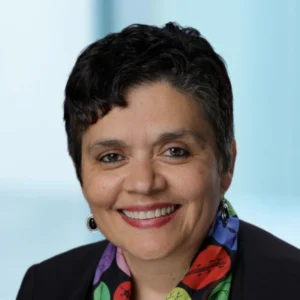
Malú Tansey
Indiana University School of Medicine
Team Liddle
Investigator
Malú Gámez Tansey, PhD, earned her BS/MS from Stanford University and, her PhD from University of Texas Southwestern and did post-doctoral work at Washington University on GDNF/Ret signaling. She spent two years at Xencor, where she co-invented dominant-negative soluble TNF inhibitors currently in clinical trials for Alzheimer’s disease and COVID-19. She was Norman and Susan Fixel Chair in Neuroscience and Neurology and Co-Director of the Center for Translational Research in Neurodegenerative Disease at the University of Florida College of Medicine in Gainesville. Today, she is at Indiana University School of Medicine. Her lab focuses on the role of inflammation and immune system responses in brain health and mechanisms underlying development of neurodegenerative diseases. The long-term goal of her laboratory is to enable earlier diagnoses and better therapies to prevent and/or delay these diseases. Dr. Tansey is a fierce advocate for women and other under-represented groups in STEM and has earned several mentoring awards from students and faculty for these efforts

Kathryn Todd
University of Oxford
Home: Team Cragg
Host: Team Dombeck
Discovery Fellow
Dopaminergic Circuit Function
Metabolism
Selective Vulnerability
Kathryn is currently a Postdoctoral Research Scientist in the Cragg Lab at the Department of Physiology, Anatomy and Genetics at the University of Oxford, where she is investigating neuromodulation of striatal dopamine in health and Parkinson’s. Kathryn completed her PhD (2020) in the Freestone group at the Department of Physiology at the University of Auckland, New Zealand. Her PhD research focussed on a novel dopamine pathway from the substantia nigra pars lateralis to the tail of the striatum, and its modulation by the subthalamic nucleus. This research was continued during her position as a postdoctoral research fellow (2021 – 2022) at the University of Auckland.
Project Summary
Dopamine (DA) axon function, and therefore striatal output and behavior, is profoundly and diversely shaped by striatal neuromodulators. Crucially, a previously under-appreciated heterogeneity of DA neurons exists whereby molecularly-distinct DA neuron subtypes exhibit differential vulnerability to degeneration in PD. However, how distinct neuromodulators govern DA axon function of these distinct subtypes is not known. This collaborative research project will fill this knowledge gap using a multi- disciplinary approach and state-of-the-art tools. We envisage that by characterizing distinct modulatory mechanisms of vulnerable versus resistant DA axons we can inform the development of targeted and improved strategies to rescue DA dysfunction in PD.

Allie Vaiana
Michael J. Fox Foundation
Team ASAP
ASAP Staff
Allie Vaiana serves as senior scientific portfolio manager for translational research programs at The Michael J. Fox Foundation. She directs a diverse portfolio of preclinical and translational research projects aimed at advancing promising discoveries from the lab into viable therapies for Parkinson’s disease.

Naman Vatsa
Van Andel Institute
Home: Team Biederer
Host: Team Lee
Discovery Fellow
Alpha-Synuclein Pathology
Aggregation Kinetics
Disease Propagation
Naman Vatsa is a postdoctoral fellow in the laboratory of Dr. Michael Henderson at the Van Andel Institute, where he investigates the molecular pathogenesis of Parkinson’s disease and aims to leverage this knowledge toward the development of potential therapeutics. He earned his bachelor’s degree in pharmacy from Lucknow, India, followed by a master’s degree and Ph.D. in neuroscience from the National Brain Research Centre, India. During his doctoral training, he conducted basic and translational research across multiple neurodegenerative and neurodevelopmental disorders. After completing his graduate training, he was associated with BioXcel Corporation (India), contributing to drug discovery efforts for neurological disorders.
Project Summary
The accumulation of alpha-synuclein aggregates is a defining pathological hallmark of Parkinson’s disease (PD), yet the cellular mechanisms that govern their initiation, growth, and clearance remain poorly understood. Our preliminary data identify group II p21-activated kinases (PAK5 and PAK6) as novel regulators of alpha-synuclein pathology. This project will define how group II PAK inhibition protects against alpha-synuclein pathology by imaging aggregate formation and clearance and by dissecting the downstream signaling pathways involved. Together, these studies will establish the causal role of PAK5/6 in alpha-synuclein inclusion biology and reveal molecular mechanisms of PD pathogenesis, providing a foundation for therapeutic targeting.
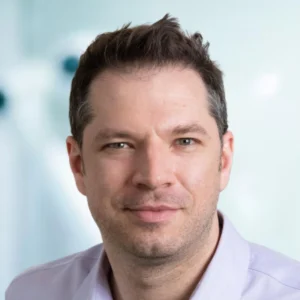
Andrew West
Duke University
Team West
Investigator
Dr. West is a tenured Professor of Pharmacology at Duke University with secondary appointments in Neurology and Neurobiology. He currently directs the Duke Center for Neurodegeneration and Neurotherapeutic Research.

Sara Whittingham
Northeast Ohio Medical University
Invited Guest
Dr. Sara Whittingham is a physician, U.S. Air Force veteran and competitive triathlete known for her advocacy in the fight against Parkinson’s disease.
A U.S. Air Force Academy graduate, Sara served 20 years in the military as a physician before retiring as a veteran. She later worked as an anesthesiologist at Cleveland Clinic Marymount Hospital and joined the clinical faculty at Northeast Ohio Medical University.
Sara earned a spot in the 2023 VinFast Ironman World Championship in Kailua-Kona, Hawaii, successfully completing the 140.6-mile race in October 2023. She has used her platform to raise funds and awareness for Parkinson’s research at Cleveland Clinic and NEOMED. She also serves on an advisory council for the National Institutes of Health’s National Plan to End Parkinson’s.