
Sparking New Discoveries for Parkinson’s Disease
The Collaborative Research Network (CRN) is a first-of-its-kind global community of multidisciplinary and multi-institutional teams working together to spark new discoveries in Parkinson’s disease (PD) research. The CRN is a program of the Aligning Science Across Parkinson’s (ASAP) initiative, managed by the Coalition for Aligning Science and implemented by the Michael J. Fox Foundation.
Our Research Network
The ASAP CRN supports 67 research teams across 24 countries, focusing on critical areas such as functional genomics in Parkinson’s disease, neuro-immune interactions, circuitry and brain-body interactions, PD heterogeneity, and tool generation. With collaboration at its core, the CRN brings together hundreds of investigators to share expertise, findings, and tools in an effort to tackle challenges in the PD space. As a community, we promote standards for openness, real-world utility, and collective impact across scientific research.

An ASAP Program
An ASAP Program
The Aligning Science Across Parkinson’s (ASAP) initiative launched the CRN in 2020 to catalyze breakthroughs in PD research. ASAP fosters connections across the scientific community by supporting a variety of programs designed to enhance collaboration and promote sharing of scientific findings, tools, and technologies.
Impact
From the beginning, the CRN has been committed to providing resources, addressing research bottlenecks, and fostering innovation to build a thriving research ecosystem that advances Parkinson’s disease research.
Impact
From the beginning, the CRN has been committed to providing resources, addressing research bottlenecks, and fostering innovation to build a thriving research ecosystem that advances Parkinson’s disease research.
Latest CRN Highlights
Members of the CRN work diligently to advance our understanding of Parkinson’s disease. Learn more about recent CRN discoveries and achievements.
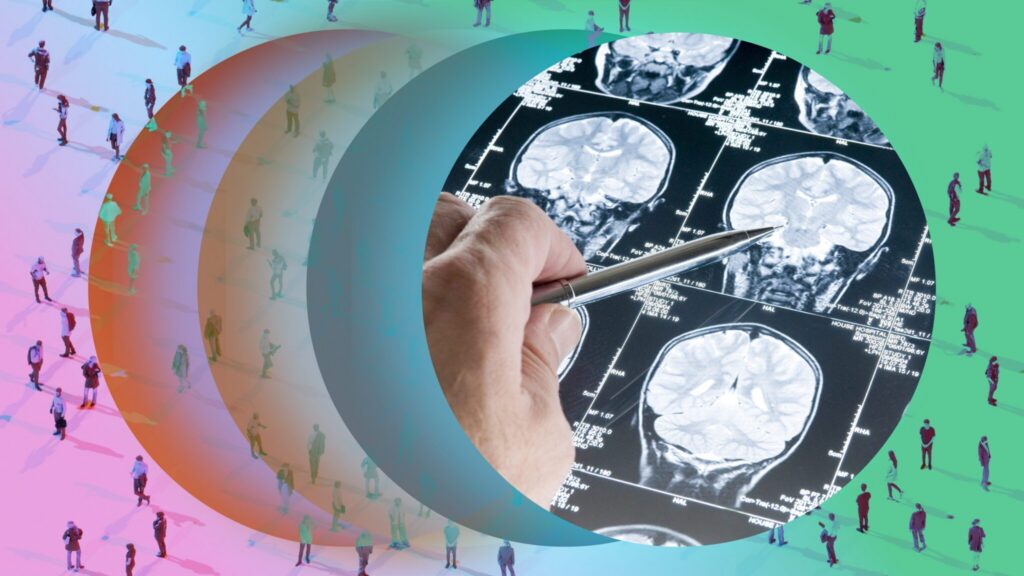
Genetic Representation in Parkinson’s Research Drives Progress
GP2 is overcoming the historical limitation of Parkinson’s genetic research — a focus on European populations only — by genotyping 250,000 volunteers globally. Learn how this approach to broaden genetic representation in Parkinson’s research paves the way to precision treatment and a better understanding of the disease.
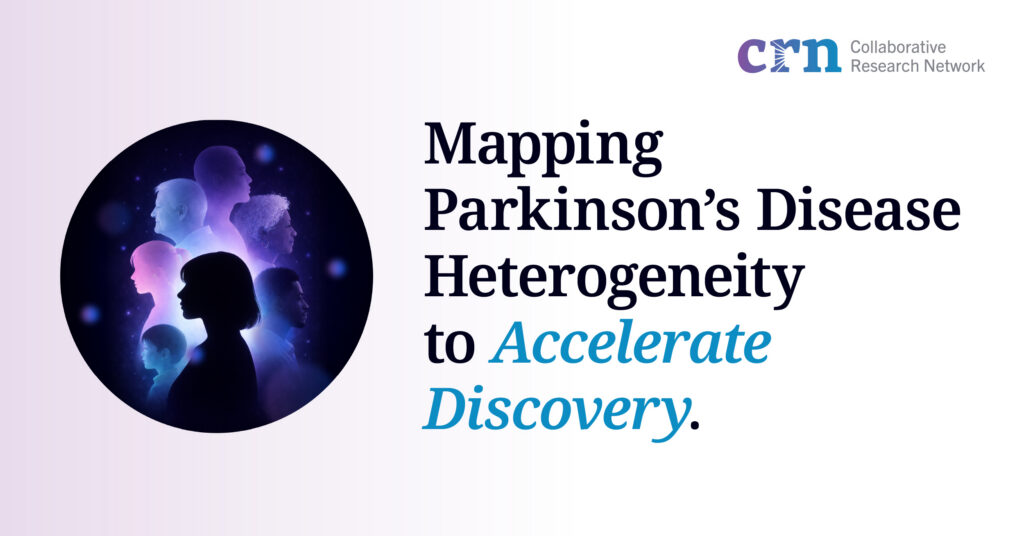
Decoding the Blueprint: Advancing Personalized Parkinson’s Treatments
In our community, we often hear: “If you’ve met one person with Parkinson’s, you’ve met one person with Parkinson’s.” This isn’t just an adage — it’s a biological reality. This radical variability is exactly what makes the disease so difficult to outsmart. We’ve learned that a puzzle this fragmented cannot be solved with a single, broad stroke. Our goal isn’t to find one answer for everyone, but the right answer for the right person at the right time.
Dismantling Roadblocks: Why a Global Toolkit is Essential for Parkinson’s Breakthroughs
ASAP's latest investment aims to accelerate medical breakthroughs by creating a global, open-science toolkit of standardized resources and tools to overcome existing research barriers to overcome existing research barriers.