




Background pattern of a brain with neural connections

Team Vila

Activity and connectivity drive neuronal vulnerability and disease progression in Parkinson’s disease

2021-Present

In Parkinson’s disease (PD) there is a preferential dysfunction of specific brain circuits. Dopaminergic and noradrenergic circuit malfunction resulting from degeneration of subsets of substantia nigra (A9), ventral tegmental area (A10) and locus coeruleus (A6) pigmented neurons leads to motor and non-motor PD features and constitute the most robust clinico-pathological correlation associated with the disease. By combining multidisciplinary approaches across species, we will unravel molecular mechanisms linking brain circuit activity to PD vulnerability, identify brain circuits through which PD pathology spreads across the brain and periphery, and assess the contribution of non-neuronal mechanisms to PD progression.

Tags
Alpha-synuclein Catecholamines Chemogenetics Noradrenaline

Project Highlights

Contributions

Here is an overview of how this team’s article findings have contributed to the PD field as of June 2025. There are two different categorizations of these contributions – one by impact to the PD community and a second by scientific category.

Impact

Category

Accolades

Members of the team have been recognized for their contributions.
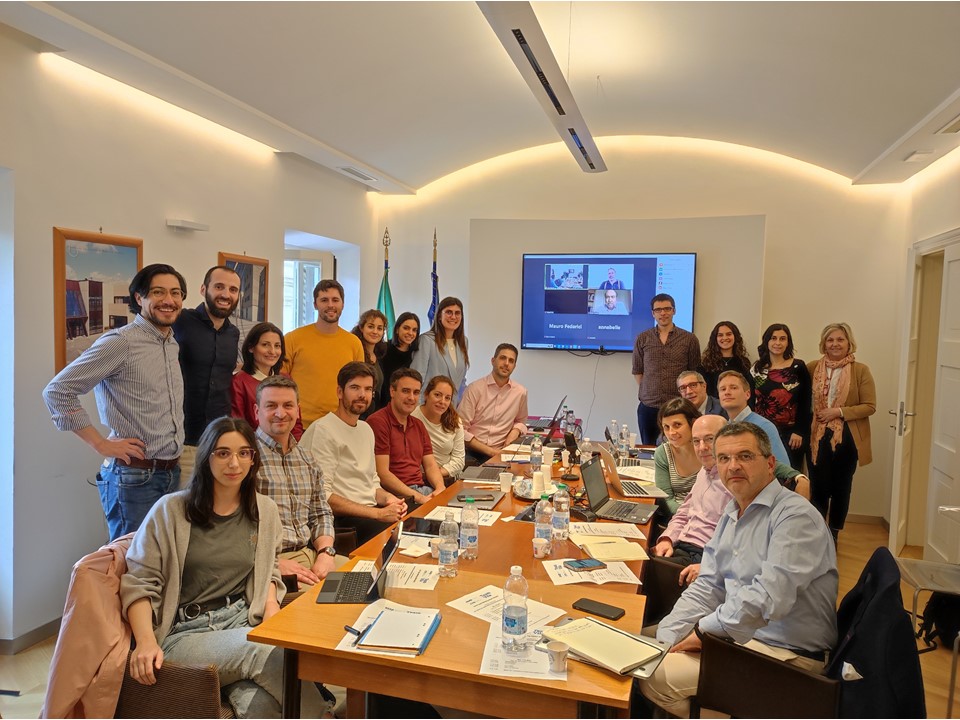
Team Vila

Network Spotlights

Yuhong Fu, Ka Wai Lee

In the News

Updates will be posted when available.
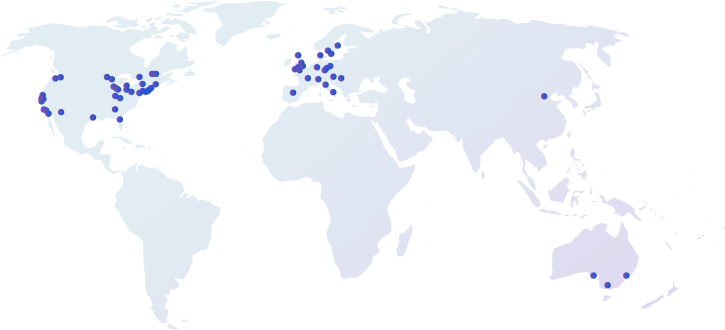
Our Research Teams

Members of the CRN work diligently to advance our understanding of Parkinson’s disease. Learn more about recent CRN discoveries and achievements.