Awatramani
Redefining PD pathophysiology mechanisms in the context of heterogeneous substantia nigra neuron subtypes
Active
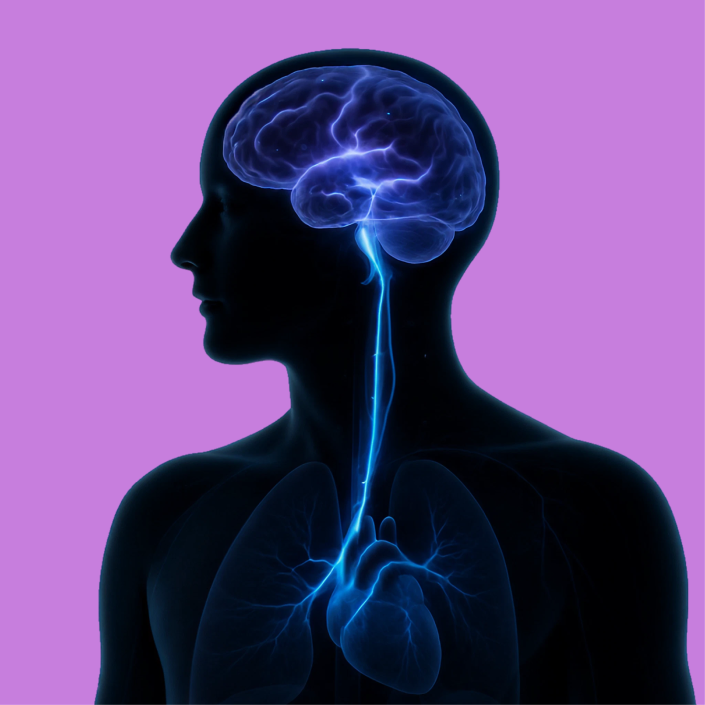
The circuitry and brain-body interactions theme focuses on basic research aimed at understanding how the circuits that underlie priority brain regions are affected in PD and how they may contribute to disease initiation and progression. This theme focuses on investigating how communication between the brain and areas outside the brain are affected over the disease course.
Molecular and spatial transcriptomic classification of midbrain dopamine neurons and their alterations in a LRRK2G2019S model of Parkinson’s disease
Single-cell spatial transcriptomic and translatomic profiling of dopaminergic neurons in health, aging, and disease
A topographical atlas of α-synuclein dosage and cell type-specific expression in adult mouse brain and peripheral organs
Abnormal hyperactivity of specific striatal ensembles encodes distinct dyskinetic behaviors revealed by high-resolution clustering
These teams focus on high-priority research aimed at understanding how the circuits that underlie priority brain regions are affected in PD and how they may contribute to disease initiation and progression. These teams also investigate how communication between the brain and areas outside the brain are affected over the disease course.
Redefining PD pathophysiology mechanisms in the context of heterogeneous substantia nigra neuron subtypes
Understanding and manipulating cellular and circuit-level vulnerability to neurodegeneration in Parkinson’s disease
Circuit Mechanisms for Dopamine Neuron Vulnerability and Resilience in PD
Mapping the modulatory landscape governing striatal dopamine signaling and its dysregulation in Parkinson’s disease
The Dual Role of Neural Activity in Parkinson's Disease
Gut-to-brain circuit contributions to Parkinson-like phenotypes in nontransgenic rodent and primate animal models
α-Synuclein Effects on Gut Brain Circuits and Pre-Motor Symptoms in Parkinson’s Disease
Role of enteroendocrine cells in the origin of Parkinson’s pathology
Reconstructing the Lost Nigrostriatal Circuitry in Parkinson's Disease
Olfactory Circuits: Alpha-Synuclein-Rich Neurons Respond to Environmental Triggers at the Origin of Parkinson Disease
Basal Ganglia Networks in Parkinson’s Disease
Distributed circuit dysfunction underlying motor and sleep deficits in a progressive mouse model of Parkinson’s disease
Activity and connectivity drive neuronal vulnerability and disease progression in Parkinson’s disease
Cortical pathophysiology of Parkinsonism