






Contributions
Stay tuned—this is where the team’s scientific contributions will be shared.
Accolades
Check back soon to see how this team is being recognized.
In the News
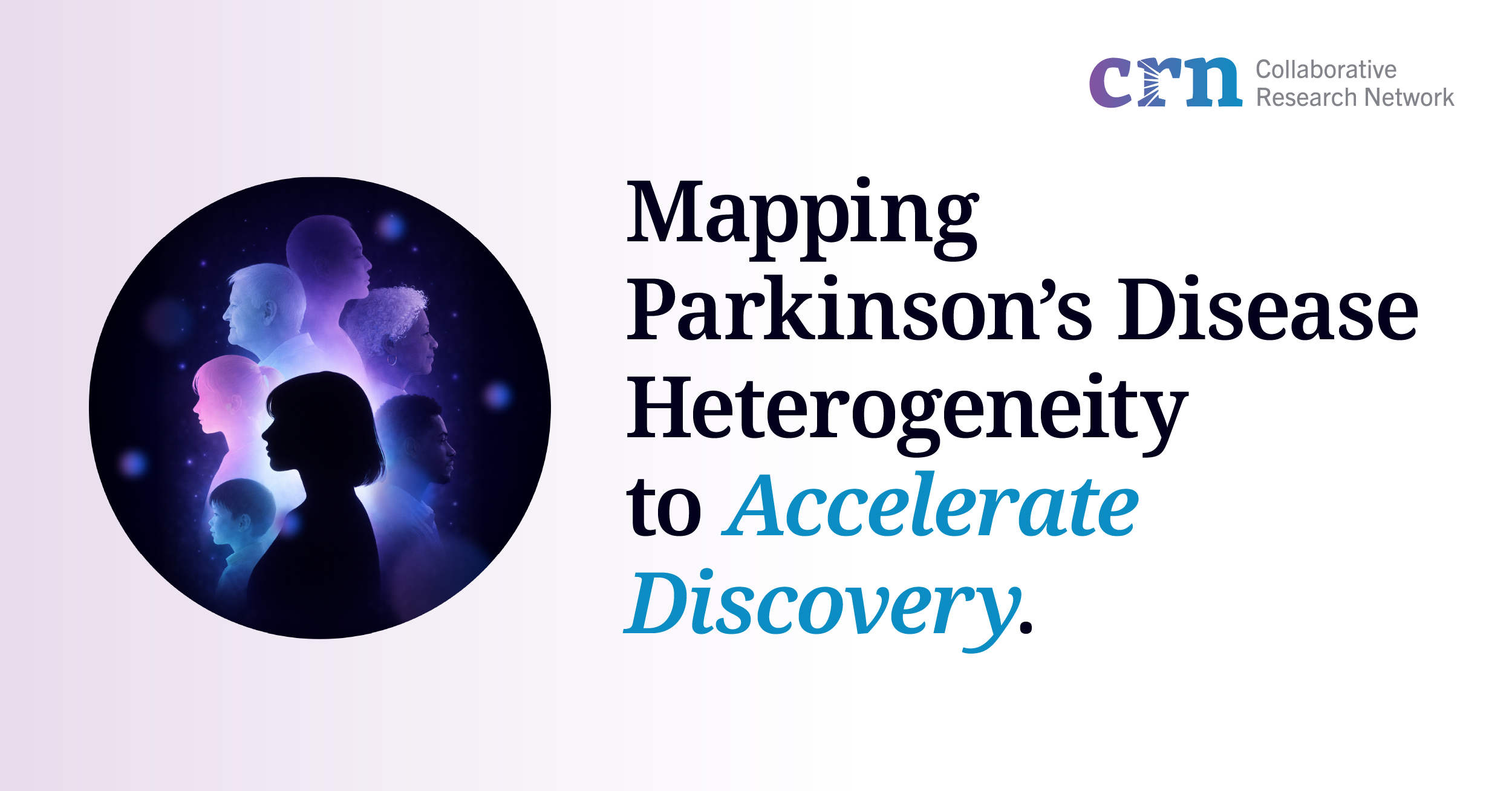
Decoding the Blueprint: Advancing Personalized Parkinson’s Treatments
05/21/2026 — In our community, we often hear: “If you’ve met one person with Parkinson’s, you’ve met one person with Parkinson’s.” This isn’t just an adage — it’s a biological reality. This radical variability is exactly what makes the disease so difficult to outsmart. We’ve learned that a puzzle this fragmented cannot be solved with a single, broad stroke. Our goal isn’t to find one answer for everyone, but the right answer for the right person at the right time.
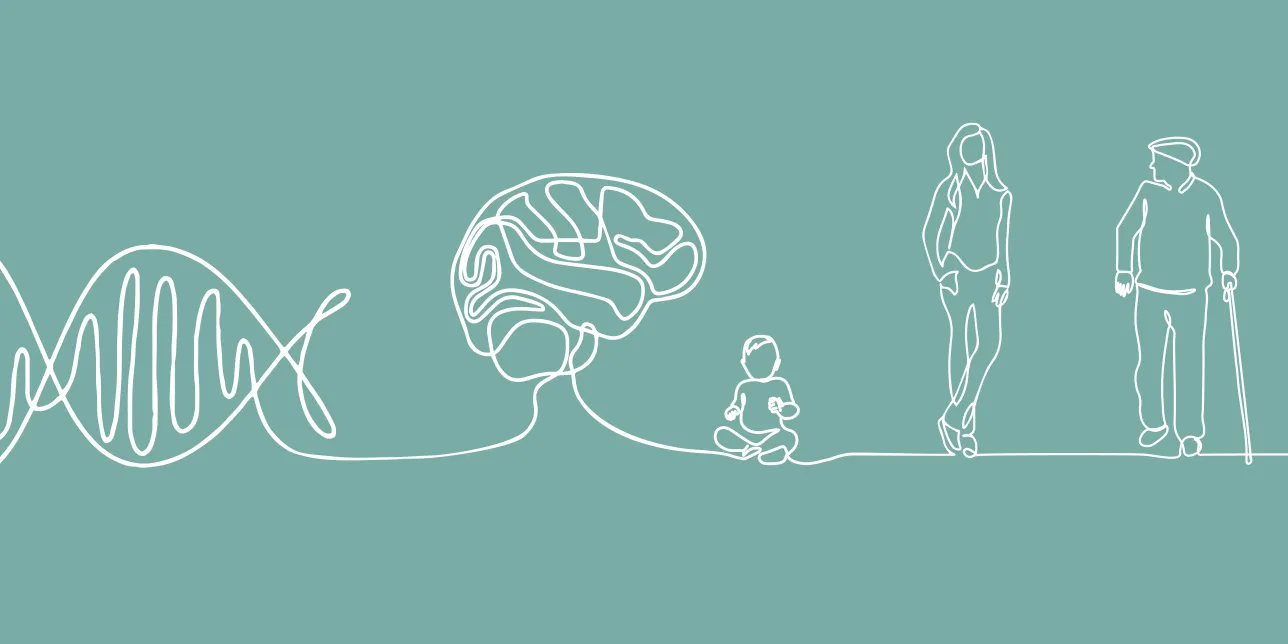
81 million SEK drives new international effort to study aging and epigenetic changes in Parkinson’s Disease
05/07/2026 — Every person ages, yet only some develop Parkinson’s Disease, and scientists still don’t know why. A new international effort involving a research team from Lund University aims to uncover what makes certain aging brains more vulnerable than others, focusing on the epigenetic changes that accompany growing older.
MJFF and ASAP Invest $261M in Global Network for Parkinson’s Research
04/30/2026 — Parkinson’s News Today reports that ASAP and The Michael J. Fox Foundation are investing $261 million to expand the Collaborative Research Network (CRN) to better understand what drives Parkinson’s disease and to accelerate the development of more personalized therapies.
Aligning Science Across Parkinson’s and The Michael J. Fox Foundation Expand Global Research Initiative with $261M Investment Toward Personalized Treatments
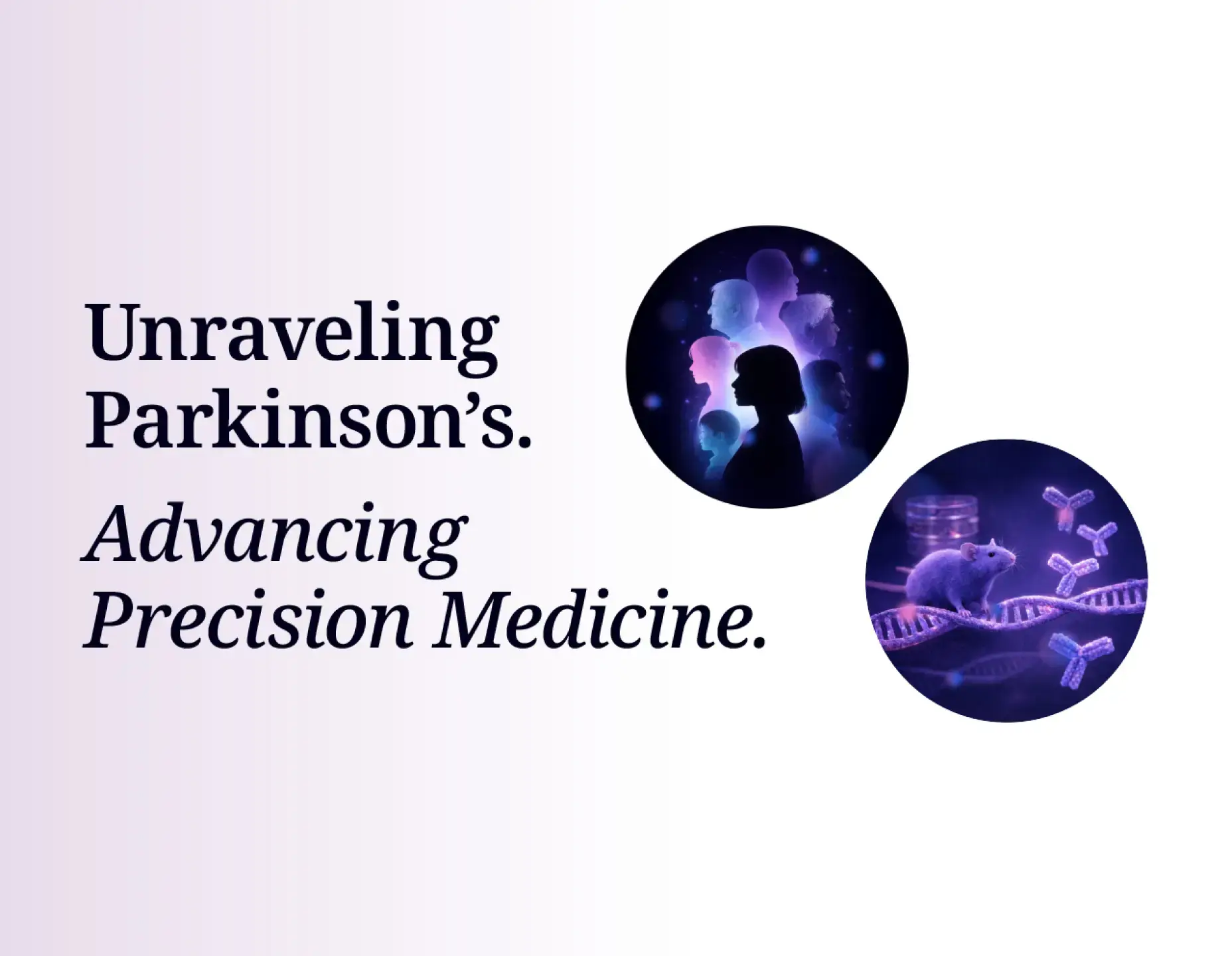
04/28/2026 — Today, Aligning Science Across Parkinson’s (ASAP), in partnership with The Michael J. Fox Foundation for Parkinson’s Research (MJFF), announced $261 million in new grant funding for the Collaborative Research Network (CRN) to map the biological blueprint of Parkinson’s disease and build a standardized toolkit of global research resources that are needed to turn discoveries into treatments.
